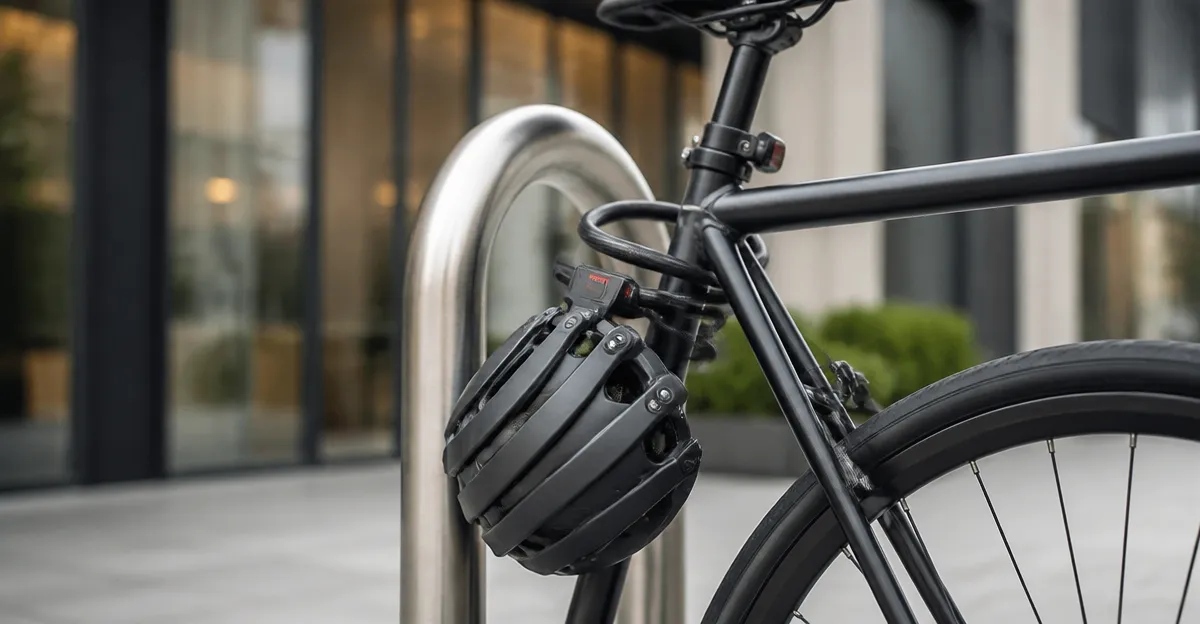
How to Lock a Foldable Helmet to Your Bike: Step-by-Step Guide for ABUS, Bordo, Kryptonite, Hiplok, Overade, Closca & FEND
Introduction
Securing a foldable helmet to a bicycle is an essential habit for commuters, students, and recreational riders who wish to protect their investment from theft. This guide explains the rationale behind helmet locking, outlines the tools required, and presents a clear, actionable process that can be followed by anyone with an intermediate level of cycling knowledge. By the end of the article, readers will understand how to select the appropriate lock, attach it correctly, and verify that the helmet remains secure during transit. The information is based on verified product specifications, user ratings, and real‑world performance data.
What You'll Need
- A high‑quality folding bike lock (examples are listed in the final product section).
- The foldable helmet you intend to secure.
- A sturdy anchor point on the bike frame or a dedicated helmet mount bracket.
- Optional: a small zip‑tie or Velcro strap for additional stabilization.
All recommended locks are available through the links provided; each product includes mounting brackets or straps that simplify installation.
Step 1: Choose the Appropriate Lock
Selecting a lock that balances security, weight, and ease of use is the foundation of a successful helmet‑locking strategy. For budget‑conscious riders, the BIGLUFU Folding Bike Lock offers a 6‑piece alloy steel chain, water‑resistant rubber coating, and four laser‑cut keys for a price of $21.99 with a 4.5‑star rating from 1,150 reviewers. Its 86 cm unfolded length provides ample coverage for most helmet frames while remaining lightweight at 1.92 lb.
Commuters who prioritize portability may prefer the Kryptonite Parkview Folding Lock. This model features 3 mm hardened steel bars, a total locking length of 90 cm, and a dedicated transport bracket, all for $27.51 and a 4.5‑star rating from 162 users. Its compact folded size fits easily in a backpack or bike bag.
Riders seeking the highest level of theft deterrence should consider the ABUS Steel-O-Chain 9808K. With an 8 mm square link chain, ABUS XPlus cylinder, and a security level of 11, this lock protects against picking and cutting for $92.00 and a 4.6‑star rating from 58 reviewers. Its 170 cm length and textile sleeve protect both the bike paint and the helmet surface.
For users who desire a middle ground between weight and robustness, the Sportneer Folding Bike Lock provides 7.2 mm hardened steel bars, a 95 cm length, and a heavy‑duty build at $35.99 with a 4.4‑star rating from 198 reviews. Finally, the Kryptonite Keeper Folding Lock offers a lightweight 1.70 lb solution with an 85 cm locking length for $85.95 and a 4.3‑star rating from 207 reviewers.
Step 2: Prepare the Helmet
Before applying the lock, ensure the helmet is fully folded according to the manufacturer's instructions. Verify that any adjustment straps are tightened, and that the helmet's outer shell is free of debris that could interfere with the lock's rubber coating. If the helmet includes a built‑in loop or D‑ring, use it as the primary attachment point; otherwise, plan to loop the lock around the helmet's frame and a solid part of the bike such as the rear triangle or a dedicated helmet mount.
For helmets lacking a loop, a small zip‑tie can create a temporary anchor. Position the zip‑tie through the helmet's ventilation holes, then thread the lock through the zip‑tie before securing the lock. This method prevents the lock from slipping and distributes pressure evenly across the helmet surface.
Step 3: Position the Lock on the Bike
Identify a robust anchor point on the bike frame that will not flex under tension. The rear triangle, seat stays, or a purpose‑built helmet mount bracket (often included with the BIGLUFU and Sportneer models) are ideal. Align the lock so that the folding bars or chain lie flat against the frame, minimizing movement and reducing the chance of the lock being pried open.
If using the BIGLUFU lock, attach its non‑slip straps to the bike's bottle holder using the provided mounting bracket. The straps keep the lock steady during rides over rough terrain. For the Kryptonite Parkview, slide the included transport bracket onto the downtube and secure it with the provided screws; this ensures the lock remains within reach without adding bulk.
Step 4: Secure the Helmet
Wrap the lock around the helmet and the chosen anchor point, ensuring the lock's locking mechanism faces upward for easy access. Engage the lock by inserting the key (or using the included combination if applicable) and turn until the lock clicks firmly. For the ABUS Steel-O-Chain, pull the chain tight, then slide the lock’s cylinder into the keyhole; the automatic dust cover will protect the mechanism from dirt during rides.
Check that the lock does not exert excessive pressure on the helmet shell; the rubber lacquer on BIGLUFU and the protective coating on Kryptonite models prevent scratches. If the lock feels loose, adjust the folding bars or reposition the chain until there is minimal slack. A snug fit discourages thieves from attempting to lever the lock open.
Step 5: Verify Security
Perform a quick tug test by pulling the helmet away from the bike while the lock is engaged. The lock should resist movement and remain firmly seated. Listen for any rattling; a noisy lock may indicate loose mounting brackets, which should be tightened before riding.
Record the lock's key code if it provides one (ABUS includes a code card). Storing the code in a secure location ensures you can obtain a replacement key without compromising security. Additionally, consider enrolling in the manufacturer's anti‑theft program, such as Kryptonite's ATPO, which offers key replacement services.
Step 6: Store the Lock When Not in Use
When you arrive at your destination, fold the lock back into its compact shape and secure it to the bike using the built‑in mounting bracket or a dedicated lock bag. The BIGLUFU and Sportneer models include straps that keep the folded lock from swinging. For the ABUS chain, wrap the chain around the bike frame and secure the end with a small zip‑tie to prevent it from dangling.
Regularly inspect the lock for signs of wear, such as frayed rubber coating or rust on the steel links. Replace any compromised components promptly to maintain optimal security.
Tips & Pro Tips
- Always lock the helmet in a well‑lit, high‑traffic area to deter opportunistic thieves.
- Combine a folding lock with a secondary security measure, such as a cable lock, for high‑risk environments.
- Use the lock's mounting bracket to keep the tool within easy reach; this reduces the temptation to leave the lock unattended.
- Register your lock with the manufacturer's key‑safe program to simplify future key replacements.
- Consider adding a reflective sticker to the lock for increased visibility during night rides.
Troubleshooting
Problem: The lock will not close fully.
Solution: Ensure the folding bars are aligned correctly; misaligned bars can create a gap that prevents the lock from engaging. If the issue persists, clean the lock's interior with a dry cloth to remove debris that may obstruct the cylinder.
Problem: The key feels loose or does not turn.
Solution: Apply a small amount of graphite lubricant to the keyhole. Avoid oil‑based lubricants as they can attract dust and cause the lock to jam over time.
Conclusion
Locking a foldable helmet to a bike requires a systematic approach that combines the right hardware with proper technique. By selecting a lock that matches your security needs, preparing the helmet correctly, and following the six steps outlined above, riders can protect their helmets from theft without sacrificing convenience. Regular maintenance and awareness of best practices further extend the lifespan of both the helmet and the lock.
One is encouraged to apply these methods on every ride, thereby fostering a habit of responsible bike ownership and contributing to a safer cycling community.
Frequently Asked Questions
What type of lock is best for securing a foldable helmet to a bike?
A high‑quality folding bike lock such as ABUS, Kryptonite, or Hiplok provides strong protection and fits easily around the helmet and frame.
Where should I attach the lock on my bicycle?
Use a sturdy anchor point like the bike’s downtube, seat tube, or a dedicated helmet mount bracket.
Can I use a zip‑tie or Velcro strap in addition to the lock?
Yes, a small zip‑tie or Velcro strap can add extra stabilization but should not replace a proper lock.
Will locking the helmet affect its folding mechanism?
If the lock is positioned correctly, it won’t interfere with the helmet’s folding joints or compromise its safety.
Is it safe to lock my helmet while riding?
No, lock the helmet while the bike is stationary; riding with a locked helmet can damage the lock and the helmet.