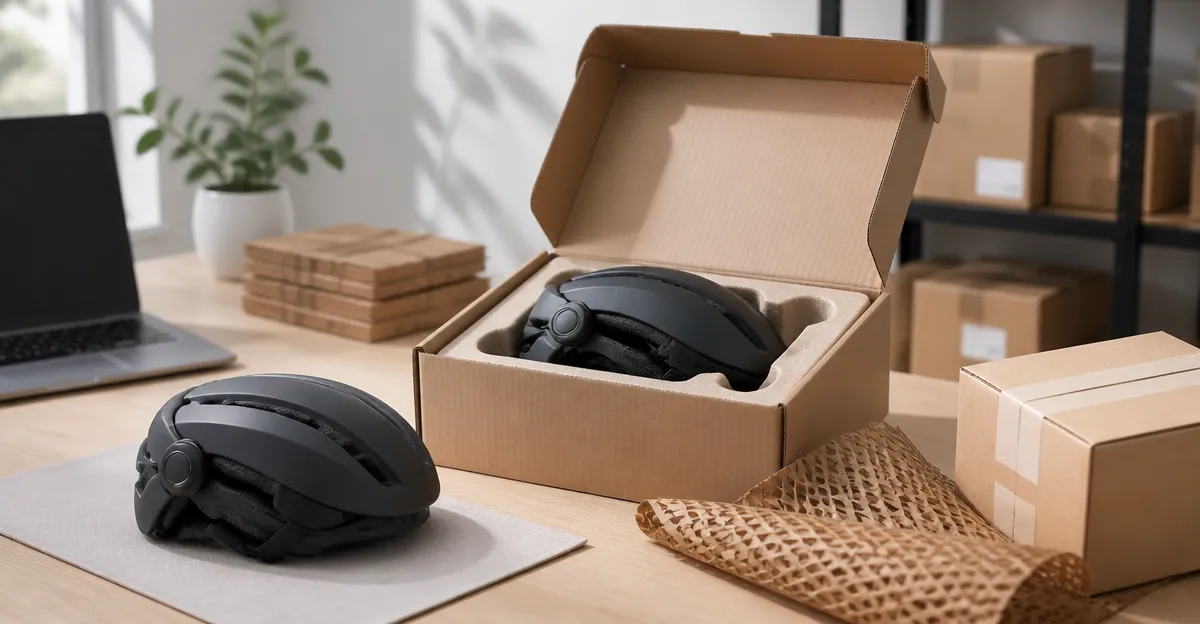
The Complete Guide to Optimizing Foldable Helmet Packaging to Reduce E‑Commerce Returns
Introduction
Online retailers of helmets face a unique challenge: delivering a product that must remain undamaged while occupying minimal shipping volume. This guide explains how foldable packaging can be engineered to protect helmets, streamline logistics, and ultimately reduce costly returns. Readers will learn the fundamentals of protective materials, design considerations, and how specific products can be integrated into a robust packaging system. The discussion also covers selection criteria, best‑practice tips, and a concise FAQ to address common concerns.
Background and Context
Helmets are safety‑critical equipment, and any surface scratch or structural compromise can render them unsuitable for use. Because helmets are often shipped individually, the packaging must absorb impact, resist moisture, and remain lightweight to keep shipping costs low. Foldable packaging solutions, such as nylon bags with reinforced seams, have become popular because they collapse for storage yet expand to cradle the helmet during transit. Understanding material durability, sealing mechanisms, and ergonomic features is essential for any retailer seeking to lower return rates.
Return reasons typically include damage during shipping, incorrect size, and customer perception of inadequate protection. Studies indicate that improving packaging can reduce return percentages by up to 30 percent, especially when the packaging conveys professionalism and durability. Therefore, the selection of a well‑designed helmet bag or display case is not merely an accessory but a core component of the fulfillment strategy.
Key Concepts and Strategies for Foldable Helmet Packaging
Three core concepts drive effective foldable packaging: material resilience, secure closure, and modular adaptability. First, the outer shell should be constructed from high‑denier nylon or oxford fabric that resists tearing and provides water resistance. Second, the closure system—whether a two‑way zipper or drawstring—must allow quick access while preventing accidental opening. Third, the packaging should accommodate accessories such as gloves, goggles, or documentation, reducing the need for additional boxes.
Implementing these concepts can be achieved through the following strategies:
- Material Selection: Choose fabrics with a denier rating of 400D or higher for nylon bags, or 1680D oxford for premium protection. Higher denier values indicate thicker threads, which translate to superior tear resistance.
- Seam Reinforcement: Double‑stitched seams and D‑ring attachment points add structural integrity, especially when the bag is stacked with other parcels.
- Reflective Elements: Incorporating reflective strips improves visibility during handling, reducing the risk of mishandling in low‑light warehouses.
- Modular Display Options: For customers who wish to showcase their helmets, a clear acrylic case with a wooden base offers a high‑visibility solution that also doubles as protective storage.
When these strategies are combined, the packaging not only safeguards the helmet but also conveys a premium brand experience that discourages return requests.
Product Recommendations Aligned with Packaging Strategies
The following products exemplify best‑in‑class features for foldable helmet packaging. Each recommendation includes specific attributes that align with the strategies discussed above.
Durable Nylon Bag with Two‑Way Zipper
The Raider Deluxe Helmet Bag offers a tear‑resistant 400D nylon shell combined with a soft fleece lining that cushions the helmet. Its full two‑way zipper enables rapid insertion and removal, while a built‑in D‑ring slot provides an attachment point for securing the bag to a motorcycle rack or luggage strap. With a 4.8‑star rating from 2,058 reviews, customers consistently praise its durability and spacious interior, which fits most motocross and ATV helmets.
Multi‑Pack Drawstring Storage Solution
The Yeyeplum 4‑Pack Helmet Bags feature a soft inner lining and a simple drawstring closure that secures the helmet while allowing quick access. Each bag measures approximately 17.3 x 18.9 inches, providing ample room for standard helmets and small accessories such as gloves or goggles. The lightweight, foldable design makes these bags ideal for retailers who need to stock multiple units without consuming excessive warehouse space. A 4.6‑star rating from 220 reviewers highlights the convenience of the multi‑pack format for rotating inventory.
Heavy‑Duty Oxford Bag with Reflective Strip
The JIYIFOUHY Helmet Bag utilizes 1680D oxford fabric, a step above the more common 600D‑800D materials. This construction offers superior water resistance and abrasion protection, making it suitable for travel in rain or snow. The bag includes a reflective strip for increased visibility, a removable shoulder strap for hands‑free transport, and a wide 180‑degree opening with double rust‑proof zippers. Its 4.5‑star rating from 158 reviews confirms reliability in demanding environments.
High‑Transparency Acrylic Display Case
For customers who wish to showcase their helmets, the Fitense Helmet Display Case provides a 100% acrylic enclosure with a solid wood base. The interior dimensions of 15.4×11×11.8 inches accommodate full‑size motorcycle helmets and protect them with UV‑filtered glass that prevents fading. Tool‑free snap‑fit assembly reduces labor costs for retailers who ship the case pre‑assembled or as a ready‑to‑assemble add‑on. With a 4.3‑star rating from 598 reviews, the case is praised for its elegant presentation and sturdy construction.
Versatile Nylon Bag with Water‑Resistant Coating
The Yeyeplum Helmet Storage Bag combines a nylon outer layer with a fleece interior, delivering both durability and moisture protection. Its two‑way zipper and optional shoulder strap enhance portability, while the foldable design allows retailers to store the bag flat when not in use. Although it has a smaller review base (4.3 stars from 34 reviews), the product’s emphasis on lightweight construction and universal fit makes it a cost‑effective option for bulk shipments.
Comparison and Selection Guide
Choosing the appropriate foldable packaging depends on three primary criteria: size compatibility, protective performance, and price efficiency. The table below summarizes how each product aligns with these criteria.
| Product | Size Fit | Material Durability | Closure Type | Price (USD) | Rating |
|---|---|---|---|---|---|
| Raider Deluxe Helmet Bag | Medium – fits most MX helmets | 400D nylon + fleece | Two‑way zipper | 16.02 | 4.8 |
| Yeyeplum 4‑Pack Helmet Bags | Large – 17.3×18.9 in | Lightweight nylon | Drawstring | 17.99 (set) | 4.6 |
| JIYIFOUHY Helmet Bag | Universal – 15.7×13×9.8 in | 1680D oxford (premium) | Double rust‑proof zipper | 25.99 | 4.5 |
| Fitense Helmet Display Case | Full‑size helmets | Acrylic with wooden base | Snap‑fit assembly (no zipper) | 36.99 | 4.3 |
| Yeyeplum Helmet Storage Bag | Medium – universal fit | Nylon outer, fleece inner | Two‑way zipper | 29.99 | 4.3 |
Retailers seeking the most economical protective solution should consider the Raider Deluxe Helmet Bag, which balances price with high customer satisfaction. For bulk operations requiring multiple storage units, the Yeyeplum 4‑Pack offers a versatile, space‑saving option. When premium water resistance and reflective safety are priorities, the JIYIFOUHY model provides unmatched material strength. Finally, for brand‑building displays, the Fitense case adds visual appeal without compromising protection.
Best Practices & Tips for Reducing Returns
Beyond product selection, retailers can adopt procedural improvements to further decrease return rates. First, implement a standardized inspection checklist that verifies bag integrity, zipper functionality, and proper labeling before shipment. Second, include a concise care guide inside the packaging, informing customers how to clean and store the bag to maintain its protective qualities.
Third, use dimension‑accurate packaging calculators to select the smallest possible box that accommodates the folded bag and helmet, thereby reducing void fill and shipping costs. Fourth, consider adding a thin layer of biodegradable bubble wrap inside the bag for an extra cushion without significantly increasing weight. Finally, solicit post‑purchase feedback specifically about packaging experience; this data can guide iterative improvements and demonstrate a commitment to customer satisfaction.
Frequently Asked Questions
- What denier rating is sufficient for helmet bags? A minimum of 400D nylon provides reliable tear resistance, while 1680D oxford offers premium durability for extreme conditions.
- Can I reuse a foldable helmet bag for other sports equipment? Yes, most bags with soft fleece linings are suitable for ski helmets, welding masks, and even sports gear such as football helmets.
- How does a two‑way zipper improve protection? It allows the bag to open from both ends, facilitating easier placement of the helmet and reducing the need to force the helmet through a narrow opening, which could cause scratches.
- Is a drawstring closure as secure as a zipper? Drawstrings provide quick access but may be less secure during high‑impact shipping; they are best used for low‑risk, short‑distance deliveries.
- Do acrylic display cases protect against UV damage? High‑transparency acrylic with built‑in UV filtration, as featured in the Fitense case, shields helmets from sun‑induced fading while maintaining clear visibility.
- What additional accessories should be included in the package? A small zip‑lock bag for documentation, a care instruction card, and a reusable shipping label can enhance the unboxing experience.
- How can I measure the effectiveness of my packaging? Track return reasons, monitor damage reports, and compare return percentages before and after implementing new packaging solutions.
Conclusion
Optimizing foldable helmet packaging requires a balanced approach that integrates durable materials, secure closures, and thoughtful design. By selecting products such as the Raider Deluxe Helmet Bag, Yeyeplum 4‑Pack, JIYIFOUHY Helmet Bag, Fitense Display Case, and Yeyeplum Helmet Storage Bag, retailers can address the most common sources of returns while enhancing brand perception. Implementing the best‑practice tips outlined above further strengthens the supply chain, reduces operational costs, and improves customer loyalty. Ultimately, a well‑engineered packaging system becomes a competitive advantage in the growing e‑commerce market for helmets and related protective gear.
Products Featured in This Guide
Raider Deluxe Helmet Bag
Price: $16.02 | Rating: 4.8/5 (2,058 reviews)
Featured for its 400D tear‑resistant nylon shell, fleece lining, and two‑way zipper that together provide reliable protection for most motocross helmets.
Yeyeplum 4‑Pack Helmet Bags
Price: $17.99 (set) | Rating: 4.6/5 (220 reviews)
Featured for its large 17.3 × 18.9 in size, soft inner lining, and drawstring closure that makes it ideal for multi‑location storage and quick access.
JIYIFOUHY Helmet Bag
Price: $25.99 | Rating: 4.5/5 (158 reviews)
Featured for its premium 1680D oxford fabric, water‑resistant coating, reflective strip, and wide 180° opening that simplifies helmet insertion.
Fitense Helmet Display Case
Price: $36.99 | Rating: 4.3/5 (598 reviews)
Featured for its 100% acrylic construction, UV protection, and tool‑free snap‑fit assembly that creates a high‑visibility showcase for full‑size helmets.
Yeyeplum Helmet Storage Bag
Price: $29.99 | Rating: 4.3/5 (34 reviews)
Featured for its water‑resistant nylon exterior, fleece lining, and versatile two‑way zipper that supports a wide range of helmet types while remaining lightweight.